
If you’re a marketing and communications director for a UK purpose-led brand right now, you’re probably exhausted.
Tasked with communicating important issues to an audience that’s infinitely distracted, endlessly doom scrolling, and suffering from compassion fatigue. You’re trying to cut through the noise with impact reports and mission statements, only to find that people are skimming past your work.
Take a breath. The problem isn’t that your mission lacks importance. The problem might just be that your story lacks a MacGuffin.
What brands can learn from cinema
Brands can learn a lot from film-making in terms of telling stories in engaging and memorable ways. One of these storytelling techniques is called a MacGuffin. A narrative device like an object or goal that serves as the trigger for the plot. Think of the glowing briefcase in Pulp Fiction, diamond necklace in Titanic, or the One Ring in The Lord of the Rings.
The audience doesn’t necessarily need to know the complex manufacturing history of the Ring or the exact contents of the briefcase. They just need to know that this object matters, that it brings people together and drives the story forward.
For a long time, the MacGuffin has been confined to books and films. But maybe, just maybe, meaningful brands need them too.
In fact, as we work increasingly with authentic, purpose-led brands, we’re seeing the MacGuffin become the ultimate tool for cutting through the noise.
The brand MacGuffin in action
A brand MacGuffin is a visual shorthand. It’s a tangible, easily graspable symbol that embodies your entire reason for existing, allowing your audience to lean in without needing to read a 50-page strategy document first.
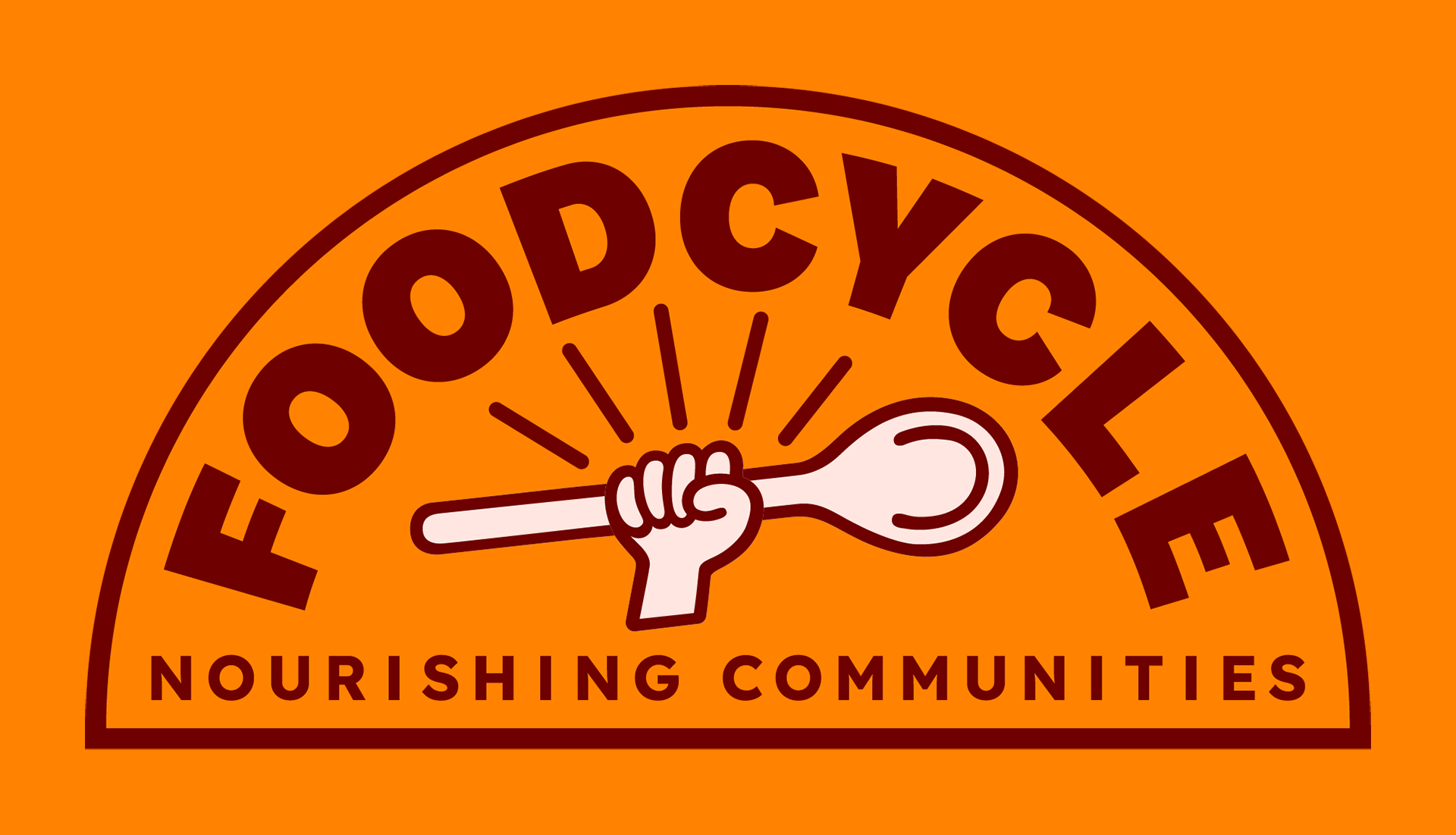
Take FoodCycle. Their mission is multi-layered: reducing food waste, tackling food poverty, and fighting loneliness through community meals. Explaining all of that takes time.
But look at their branding: a wooden spoon in a clenched fist.
It’s the perfect example of a brand MacGuffin. It instantly communicates a fight, a grassroots movement, and food, all in a single glance. Your audience can rally around it. Their reason for existing is communicated without using a single word.
Why the MacGuffin cures comms fatigue
For stressed-out comms teams, adopting a MacGuffin isn't just an artistic choice; it can offer a strategic lifeline.
- It bypasses the jargon: ‘For good’ sectors are notorious for using jargon. A MacGuffin grounds a complex or abstract mission into something that’s immediately understandable
- It unites people: It’s hard to get people to pledge their allegiance to a ‘strategic framework’. But they will get behind a symbol. The object becomes the mechanic that brings your community together
- It does the heavy lifting: When you’re competing for three seconds of attention on a social feed, your MacGuffin buys you the time to tell the rest of your story
How to find your brand’s MacGuffin
You can’t force a MacGuffin. It has to be authentic to your organisation and your history.
If you want to find yours, step away from the corporate deck and ask yourself:
- What’s the physical tool of our trade? If you’re planting trees, is it a specific type of spade? If you’re fighting for literacy, is it a worn-out library card?
- What visual captures your attitude? FoodCycle’s spoon works because it’s clenched in a fist. It’s not just cooking; it’s fighting for something. What verb defines your object?
- Can it stand alone? If you took away your logo and your brand name, would this item still make people think of your cause?
Stop explaining, start showing
As a purpose-led brand, your work is vital. But you don’t have to explain the entire history of the problem in every single piece of communication.
Find your briefcase. Find your wooden spoon. Give your audience a MacGuffin to care about, and watch how quickly they lean into the story you’re actually trying to tell.
Need some help with your purpose-led brand?
Why not book a free chat with Matt to explore how me&you can help you.