
Why would a creative and brand agency focused on people and the planet attend a massive energy technology summit?
If you still think of energy as just a utility - a (large and painful) bill you pay once a month; you’re missing the biggest cultural shift of our generation. The transition to renewable energy is no longer just an infrastructure challenge; it’s a communication challenge. It requires mass consumer buy-in, behavioural change, and deep, unshakeable trust.
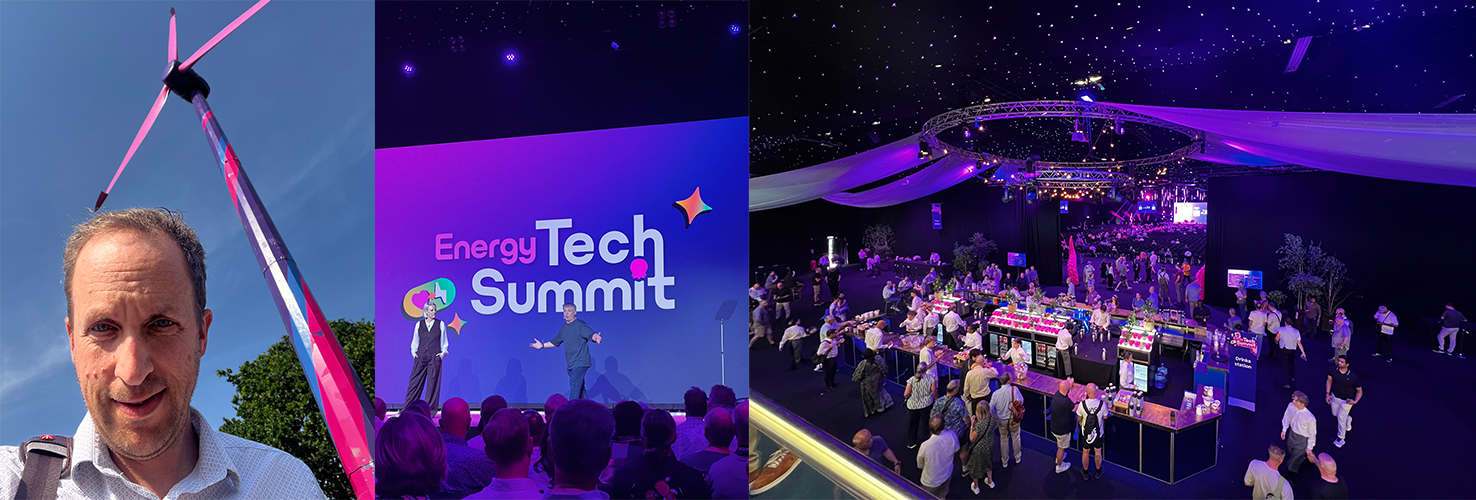
At me&you, we work with purpose-driven brands and grassroots projects like Kent Community Energy. We know that to craft messaging that resonates locally, we also need to understand what’s happening on a global scale. Attending the Octopus Energy Tech Summit 2026 (#OctopusETS26) provided a massive opportunity for Matt to gather insights and learnings that he can bring back and share with the me&you team and our purpose-driven clients.
Here’s what the future of energy teaches us about the future of branding:
1. The trust economy demands transparency, not perfection
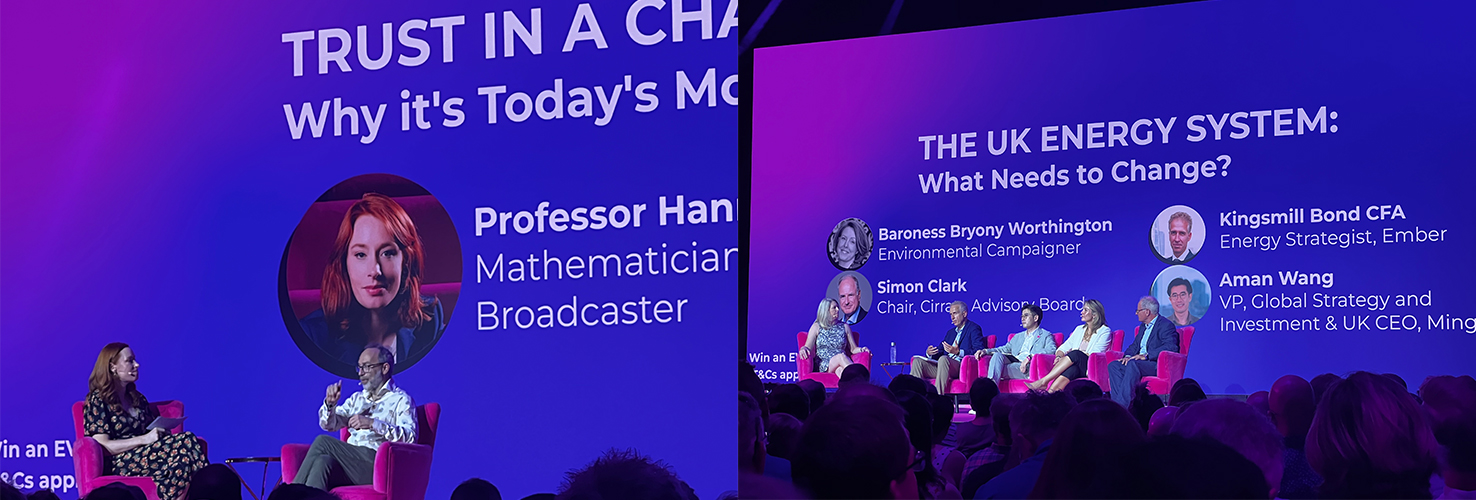
In an era of greenwashing, consumers are highly skeptical of corporate sustainability claims. During a session on trust, Wikipedia founder Jimmy Wales highlighted a crucial point: building trust in a cynical world requires absolute transparency.
Brands often feel the need to present a flawless, fully resolved corporate facade. But in the "Trust Economy," pretending you have all the answers is the fastest way to lose credibility. Consumers want to see your working. They want brands that admit that change is complex, acknowledge their missteps, and invite the community to be part of the solution. Transparency is the new perfection.
2. Optimism is the ultimate catalyst
For years, the narrative around climate change has been dominated by doom, sacrifice, and geopolitical anxiety. But fear is paralysing, rather than mobilising.
The underlying current of the Summit was relentless, practical optimism. William Kamkwamba’s story of building a wind turbine for his village using scrapyard parts and a library book proves that human ingenuity can overcome massive barriers.
For CMOs, this is a vital lesson. Consumers are exhausted by climate anxiety. They’re desperate for brands that frame the green transition not as a painful sacrifice, but as an exciting, tangible, and highly beneficial upgrade to their lives. Optimism is a force multiplier.
3. Community is the new grid
The era of relying entirely on massive, distant, centralised power stations is ending. The future is decentralised, putting generation and control directly into the hands of local people.
Discussions around democratising solar access and giving tenants more power over their energy use reveal a broader consumer truth: people want ownership. This perfectly validates the mission of grassroots clients like Kent Community Energy. True brand loyalty is forged when you move from treating people as passive consumers to empowering them as active participants. When communities own their power, they own the transition.
4. Reframing the AI narrative
Artificial intelligence is currently facing justified scrutiny over its massive data center energy demands. However, tech leaders at the Summit reframed AI not just as an energy drain, but as the essential "brain" required to balance a complex, renewable-heavy grid.
In the trust economy, when communicating about new technologies, brands must control the narrative. Don't shy away from the challenges; instead, highlight how your technological advancements are being purposefully deployed to solve pressing environmental problems.
The creative takeaway
The transition to a sustainable future happens when high-tech infrastructure and human connection come together. For purpose-driven CMOs, the mandate is clear: lead with optimism, act with radical transparency, and put the power back into the hands of your community.